Our projects span the translational spectrum: from patient care to molecular discovery and computational innovation, all centered around improving outcomes for individuals with breast cancer. By combining clinical insights with data-driven methodologies, we explore how tumors evolve, resist treatment, and respond to new therapeutic strategies.
Each project is shaped by collaboration across disciplines within the lab and with external partners in academia, healthcare, and industry. Together, we aim to translate biological understanding into real-world clinical benefit. To learn more about our ongoing projects or to explore collaborative opportunities, please get in touch with us. We welcome new ideas, partnerships, and perspectives that can drive innovation in breast cancer research.

Clinical studies are essential for improving breast cancer care by translating discoveries into evidence-based treatments. In this section, we present our portfolio of investigator-led and collaborative studies that evaluate new therapies, optimize existing regimens, and refine treatment intensity to maximize benefit while minimizing toxicity. Across these trials, we integrate robust clinical endpoints with translational analyses, linking patient outcomes to tumor biology, biomarkers, and treatment response to accelerate precision medicine for people with breast cancer.
Contact person: Alexios Matikas (alexios.matikas@ki.se)
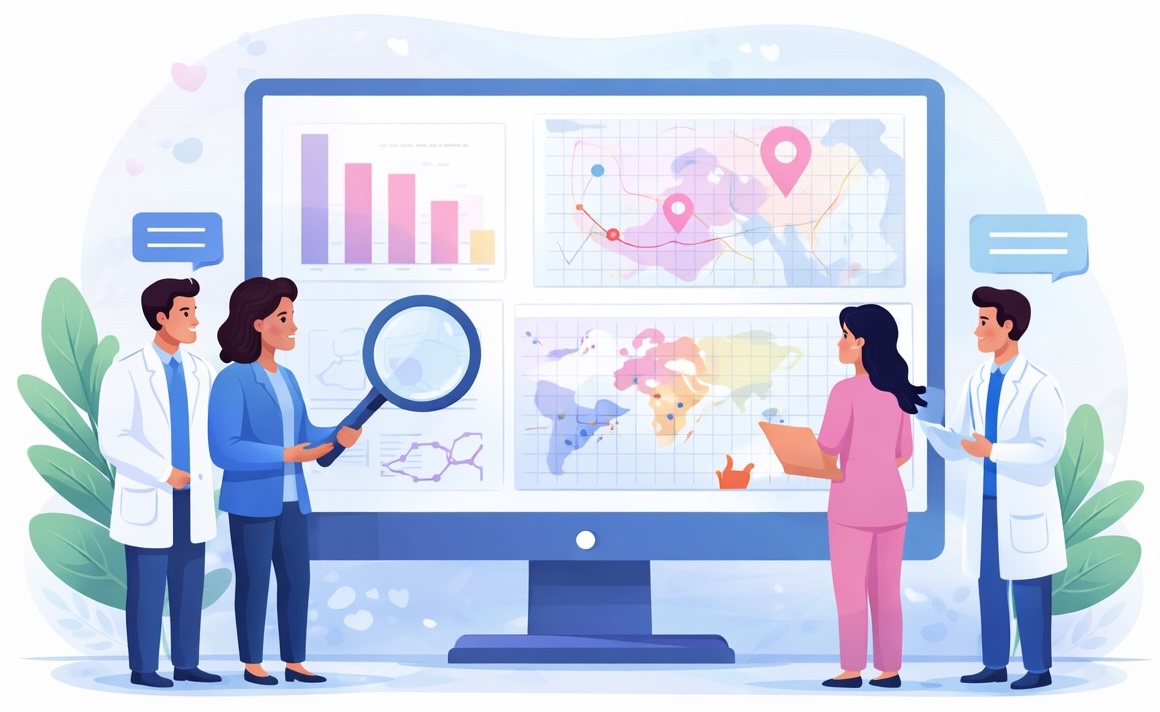
Clinical trials show how breast cancer treatments work in controlled settings. They usually include younger, healthier individuals and do not capture the diversity of patients seeking care in breast cancer clinics. Our research looks at how breast cancer develops and how treatments perform in everyday situations. Through epidemiological studies we can study a broader and more representative population than clinical trials - better reflecting the diverseness of breast cancer patients, including older patients and those with other health conditions. Using nationwide registers that link information on patients, tumors characteristics, treatments, and long-term follow-up events, we can investigate biomarker dynamics during treatments, treatment adherence and usage, and identify factors that impact on or lead to better outcomes in a variety of scenarios. Real-world data (RWD) and evidence (RWE) support improvements in clinical care, guide future research, and help in the design of new clinical trials.
Contact person: Louise Eriksson (louise.eriksson@ki.se)
Associated members: Louise Eriksson, Xingrong Liu, Andri Papankonstantinou, Alexios Matikas
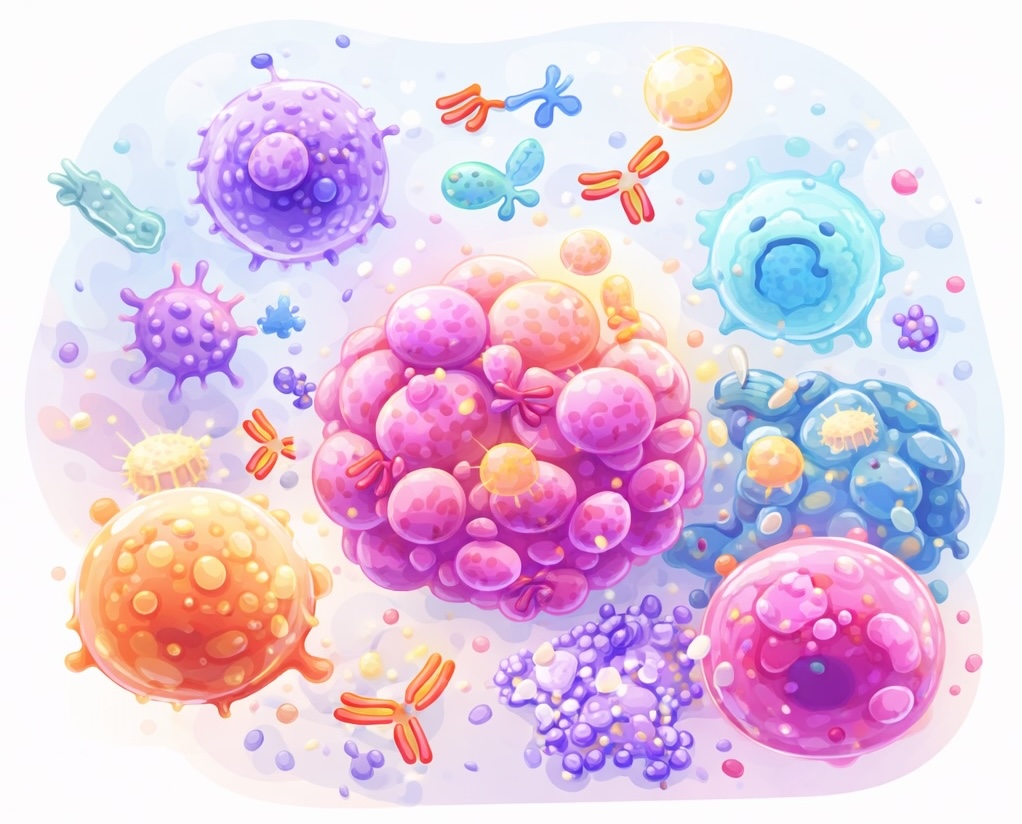
Breast cancer is an immunologically heterogeneous disease, where the composition and function of the tumor immune microenvironment critically influence treatment response and clinical outcomes. Although immunotherapy has transformed the management of breast cancer patients, there is still an unmet need for biomarker development and a deeper understanding of treatment resistance. Our research aims to identify biomarkers of immunotherapy response and long-term prognosis, unravel mechanisms of primary and acquired resistance, and define the immunomodulatory effects of chemotherapy and targeted therapies. By integrating multi-omics methodology, with data from national and international clinical trials and population-based cohorts, we seek to uncover clinically relevant biomarkers and novel therapeutic targets that will advance precision immuno-oncology and improve outcomes for patients with breast cancer.
Contact person: Ioannis Zerdes (ioannis.zerdes@ki.se)
Associated members: Ioannis Zerdes, Andri Papakonstantinou, Xingrong Liu, Kang Wang, Nikolaos Tsiknakis, Emilia Morales
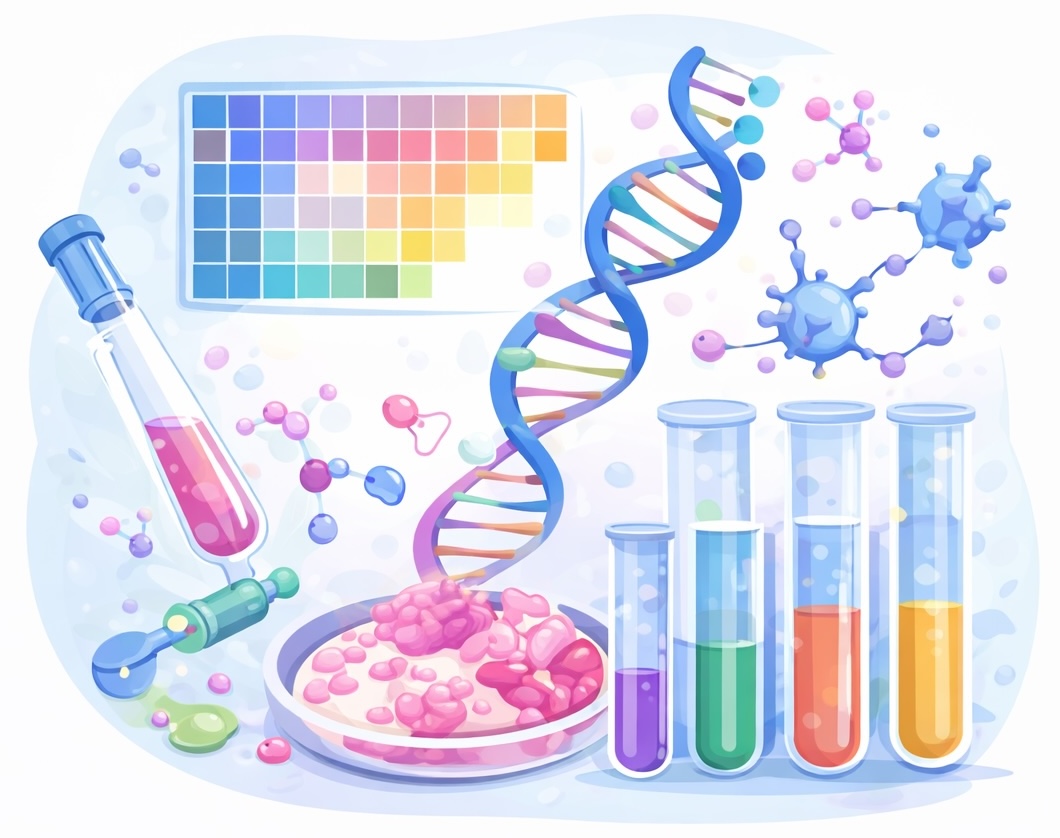
Breast cancer is a biologically and clinically heterogeneous disease, and patients with similar clinicopathological characteristics may experience markedly different responses to therapy and clinical outcomes. Our translational biomarker research aims to identify prognostic and predictive biomarkers that improve patient stratification and guide treatment selection across breast cancer subtypes and treatment settings. We combine comprehensive molecular profiling of tumour tissue and blood samples with detailed clinical data from prospective clinical trials and well-annotated patient cohorts. We use multi-omics approaches – including RNA sequencing, DNA sequencing, proteomics, single-cell and single-nucleus RNA sequencing, spatial transcriptomics, and digital pathology – to investigate tumour-intrinsic biology as well as the tumour microenvironment to better understand mechanisms of treatment response, resistance, and disease progression. A central component of our work is the integration of translational molecular analyses within prospective neoadjuvant clinical trials, enabling direct links between tumour biology, treatment exposure, and clinical outcomes. By integrating multi-omics data with detailed clinical annotation and applying advanced computational and statistical approaches for biomarker development and validation, we aim to identify biologically meaningful tumour subgroups and develop biomarkers that inform treatment escalation, de-escalation, and patient selection for specific therapies. Ultimately, our goal is to advance precision medicine in breast cancer by improving patient selection for therapy and enabling more individualized treatment strategies that maximize benefit while minimizing unnecessary toxicity.
Contact person: Emmanouil Sifakis (emmanouil.sifakis@ki.se)
Associated members: Emmanouil Sifakis, Kang Wang, Michail Sarafidis, Sen Li, Emilia Morales
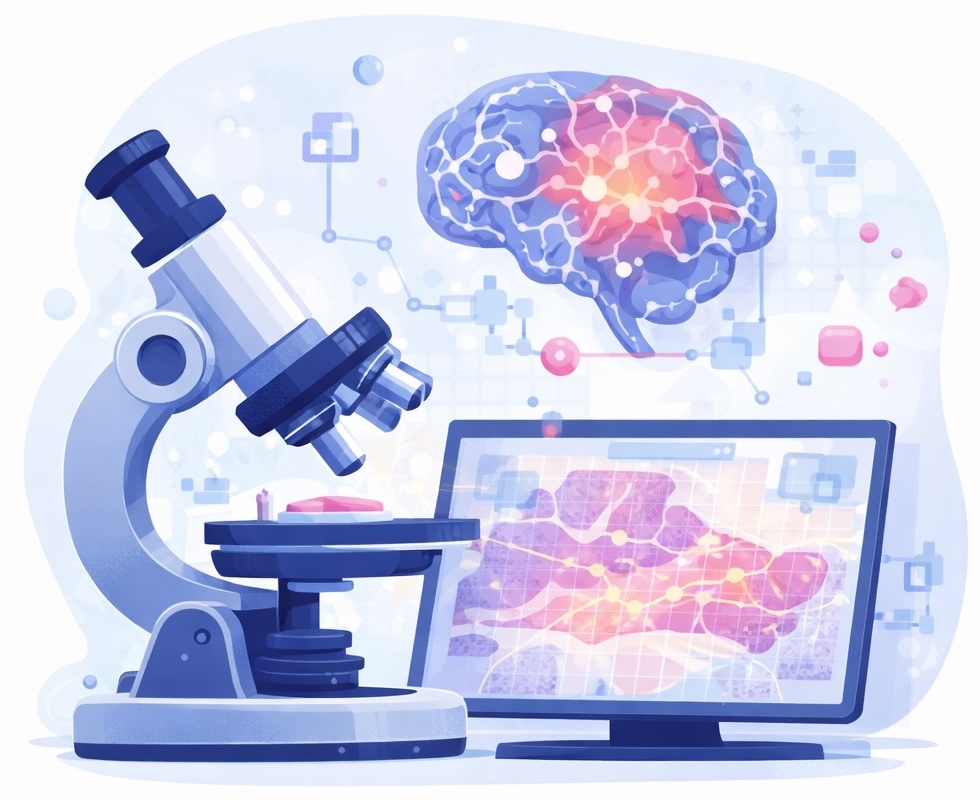
One of our research themes centers on advancing data-driven and AI-based analyses in breast cancer, spanning biomarker discovery and validation, methodological development, and critical evaluation of artificial intelligence approaches. Within this theme, we develop and benchmark new computational methods, validate emerging biomarkers for patient prognostication and therapy response, and systematically compare AI models to understand their strengths, limitations, and clinical relevance. Our work integrates handcrafted pathomics with machine learning, deep learning, foundation models, and multimodal analyses of histopathology, spatial and molecular data, and clinical information, contributing to state-of-the-art digital pathology and supporting more precise and personalized breast cancer care.
Contact person: Nikos Tsiknakis (nikolaos.tsiknakis@ki.se)
Associated members: Georgios Manikis, Evangelos Tzoras, Kang Wang, Maria Angeliki Toli